

1 min read
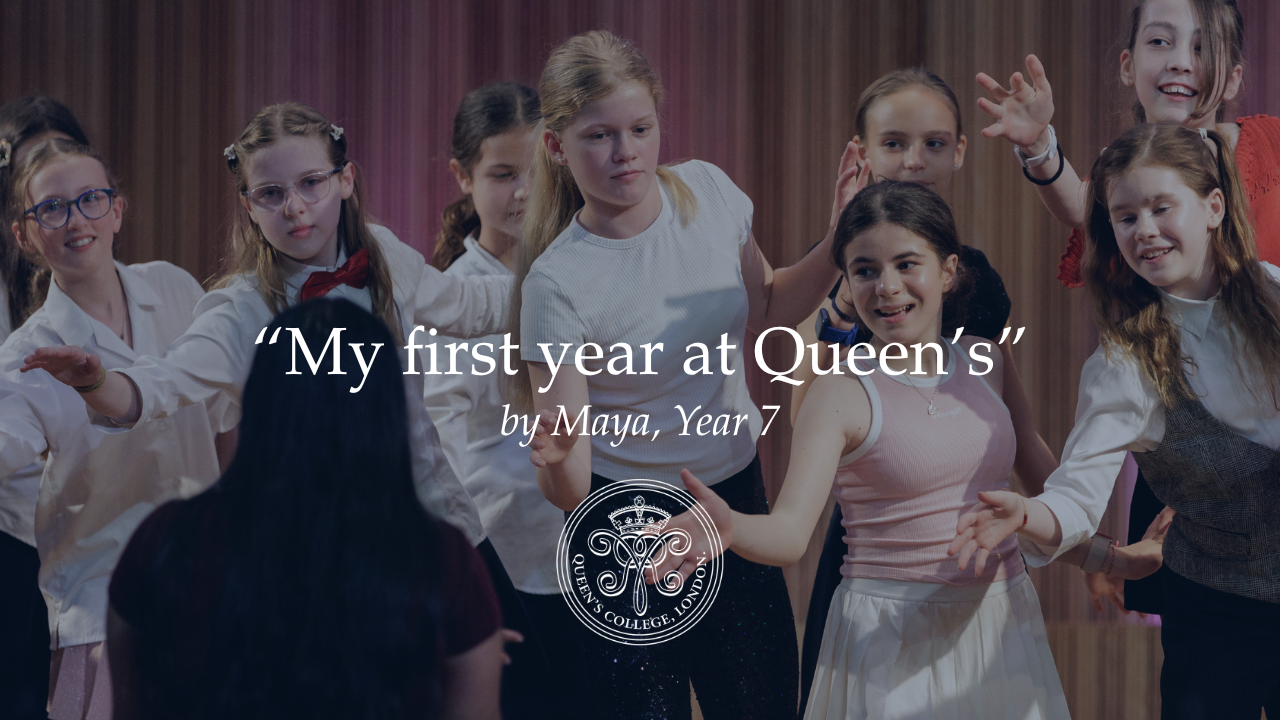
'My first year at Queen's' by Maya, Year 7
For the past year, Queen’s has been the most supportive, kind and welcoming school. I have enjoyed every little thing about it: the community, the...
3 min read
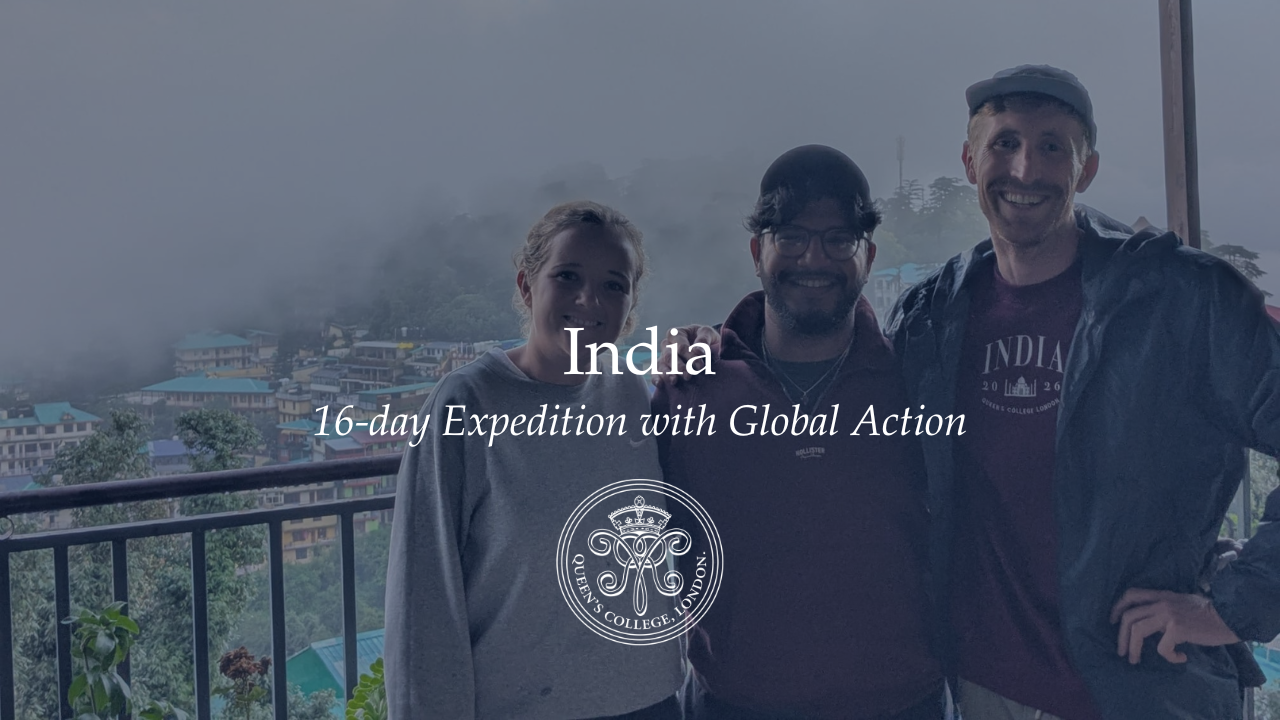
This summer, I had the privilege of taking pupils from Queen’s College, London, on an expedition to India, in conjunction with Global Action.
The concept of taking one’s students on a sixteen-day expedition halfway around the world during the summer holidays is not a prospect that every teacher would be enticed by. This, coupled with the concept of India during monsoon season - heavy rainfall that seems to linger in the air even after it has stopped falling, an uncomfortable closeness under the skin, the hustle-and-bustle of cars, bikes, vans, and herds of cattle on the roads... it all seemed a little overwhelming at first glance.
But I have always been connected to India - in the languages I speak, the clothes I wear, the food I eat, and the media I consume. Yet, despite being Indian, I have never visited. So taking pupils to the nation of my own mother tongue seemed particularly special to me, as I would not be completing my homecoming alone. These young people would be experiencing my country for the first time alongside me.
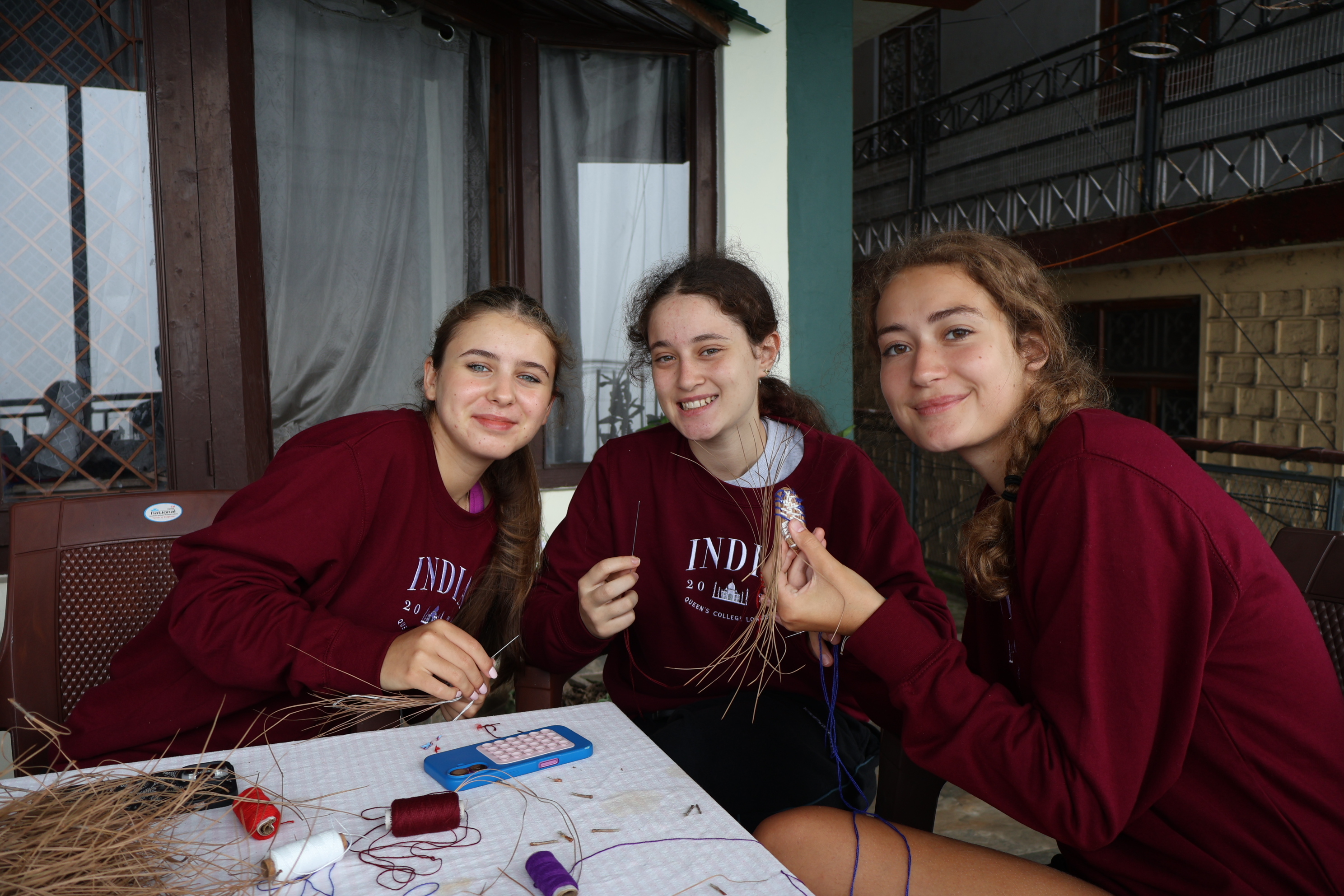
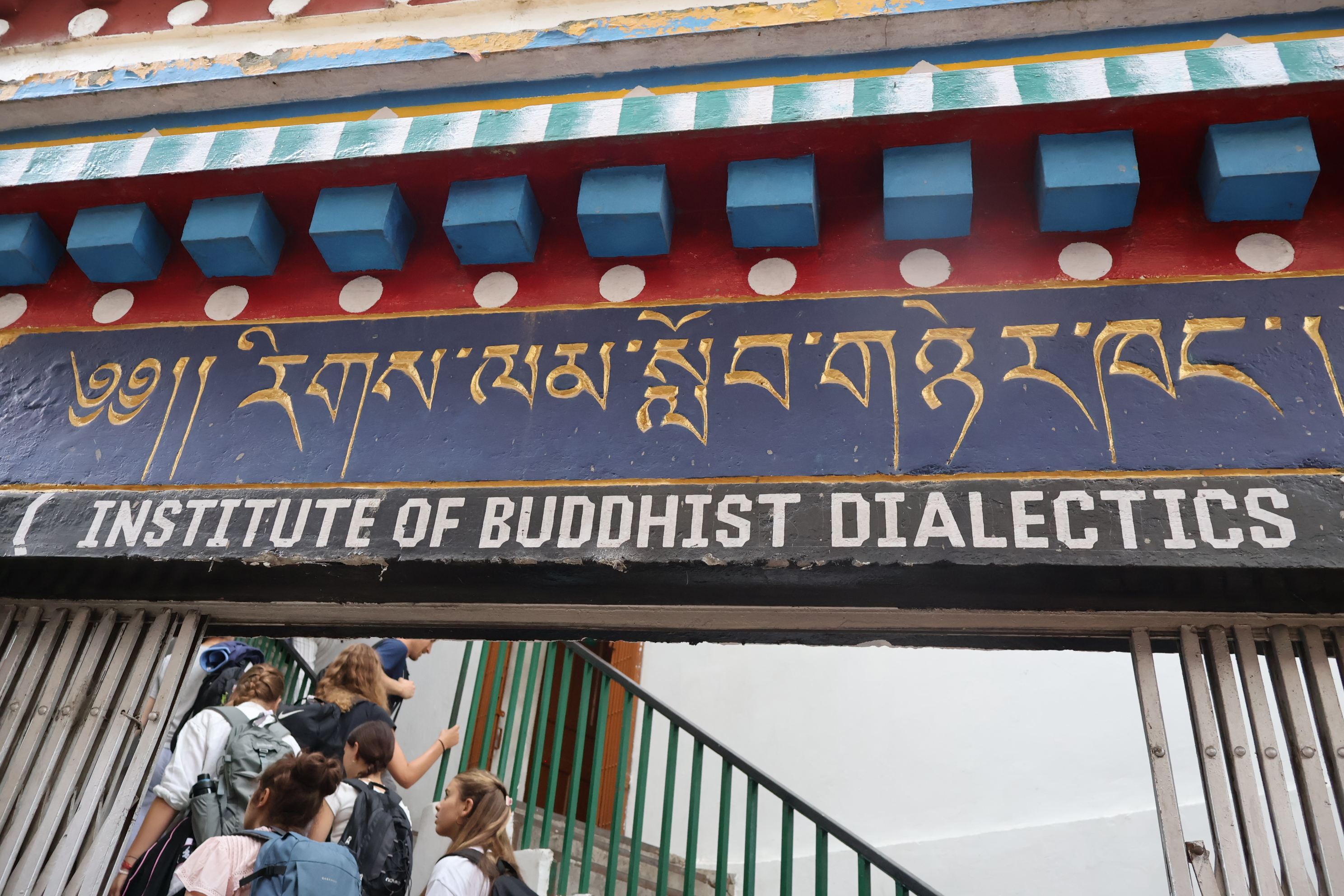
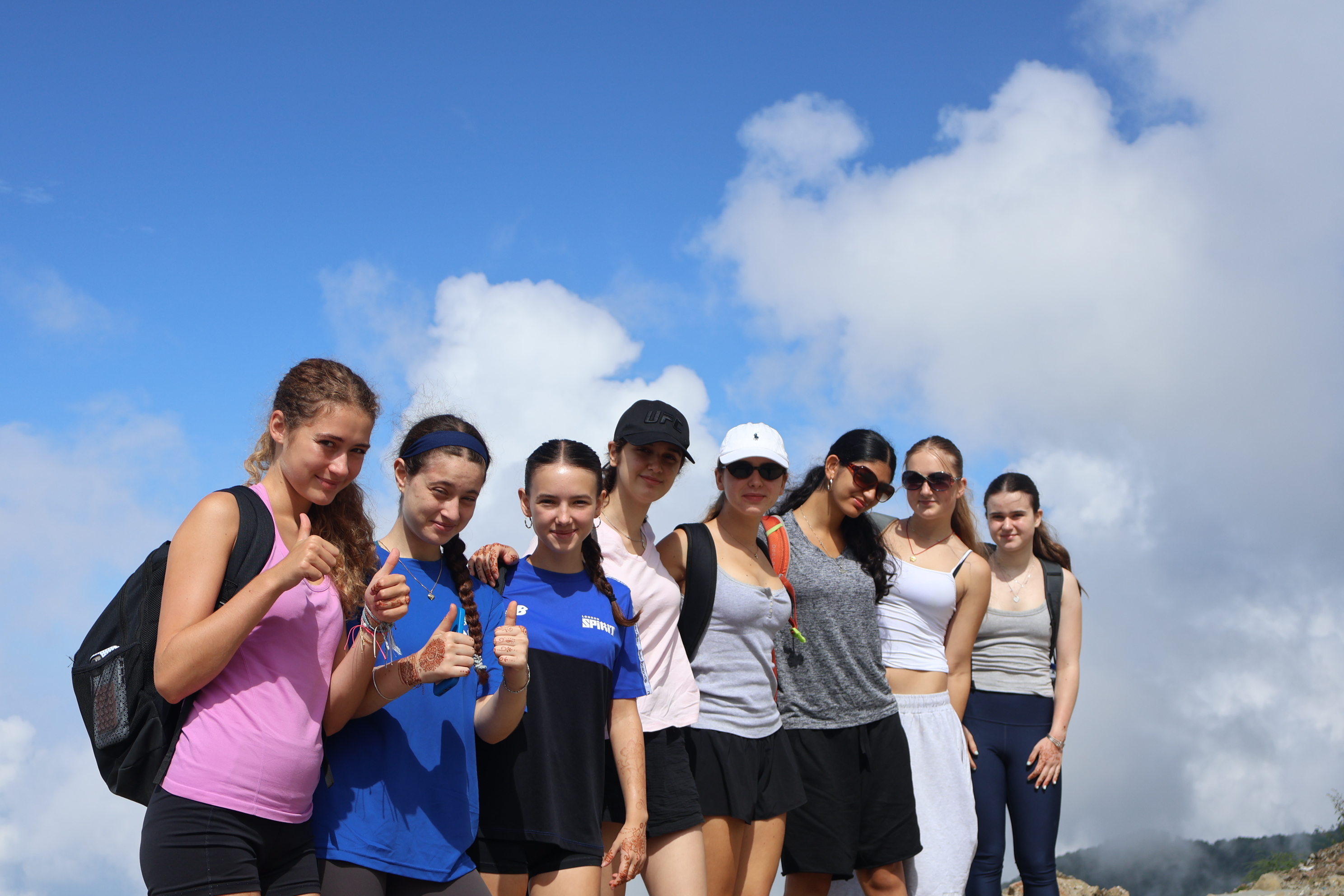
Led by our inspirational guide, Chris, who came armed each morning with a positive aphorism, a terrible dad joke, and a keen desire to make sure our pupils overcame at least one challenge each day, our itinerary was stacked. From cultural experiences, opportunities for hikes and day walks, visits to various NGOs and local businesses, we had a tripartite approach of mixing cultural, physical, and philanthropic excursions that Global Action does so well. We visited Dharamshala to learn about the Tibetan people and their struggle for autonomy, Amritsar to visit the Golden Temple and participate in the Sikh concept of Sewa, selfless service, amongst the volunteers, and finished the trip off with a visit to one of the most iconic and recognisable buildings in the world, the most famous act of love, synonymous with the very mention of India—the Taj Mahal. It was truly an expedition by all accounts.
There is so much to be said about what may be learnt outside the classroom. Such experiences range from the mundane to the otherworldly. From seeing cars swerve at alarming speed to avoid hitting sacred cows, to seeing the imposing Dhauladhar mountains silhouetted across the horizon in McLeod Ganj. Both teach us something about Indian culture, religion, and philosophy, whether it is the sanctity of the cow, or the stories of sacred glacial lakes within the mountains.
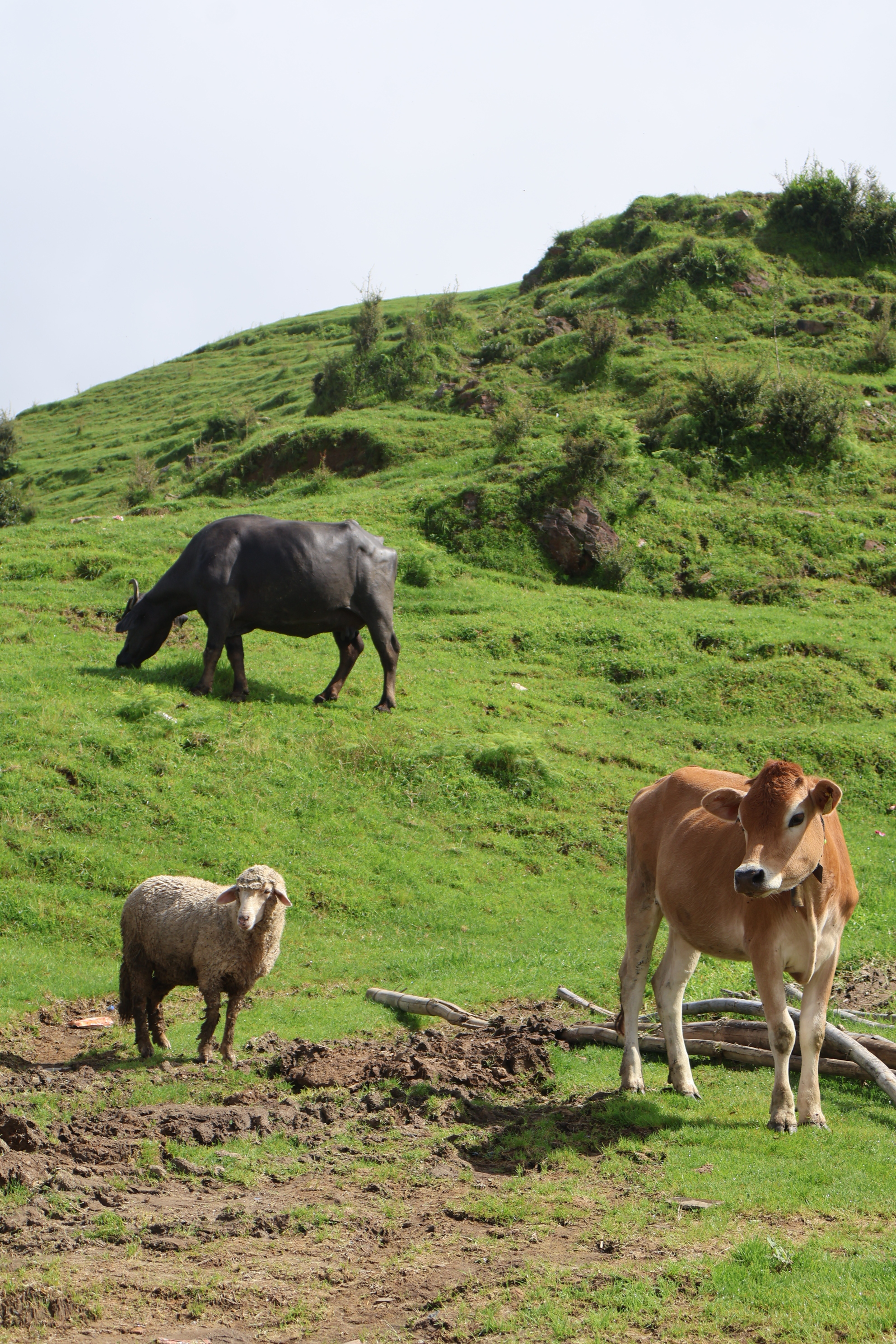
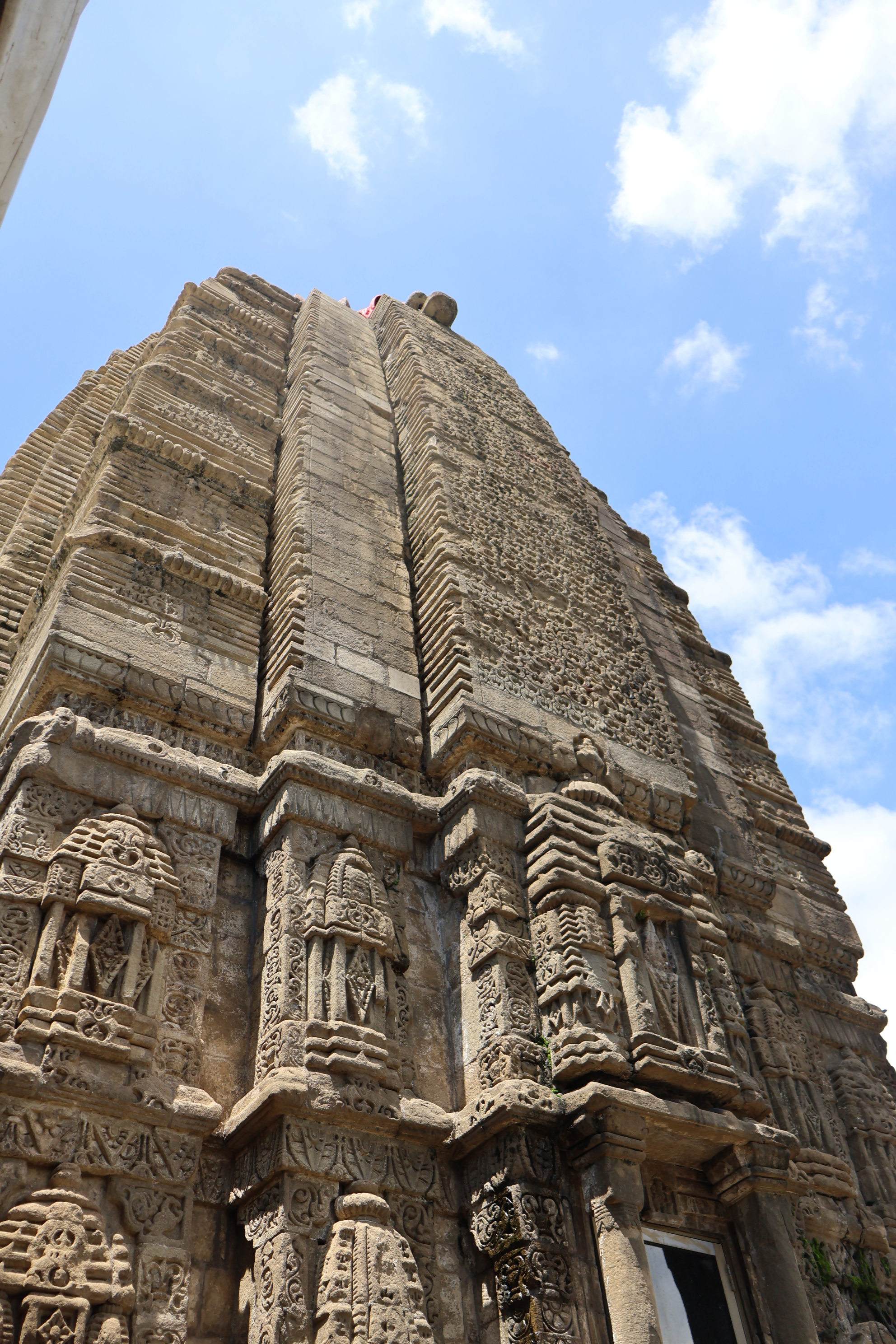
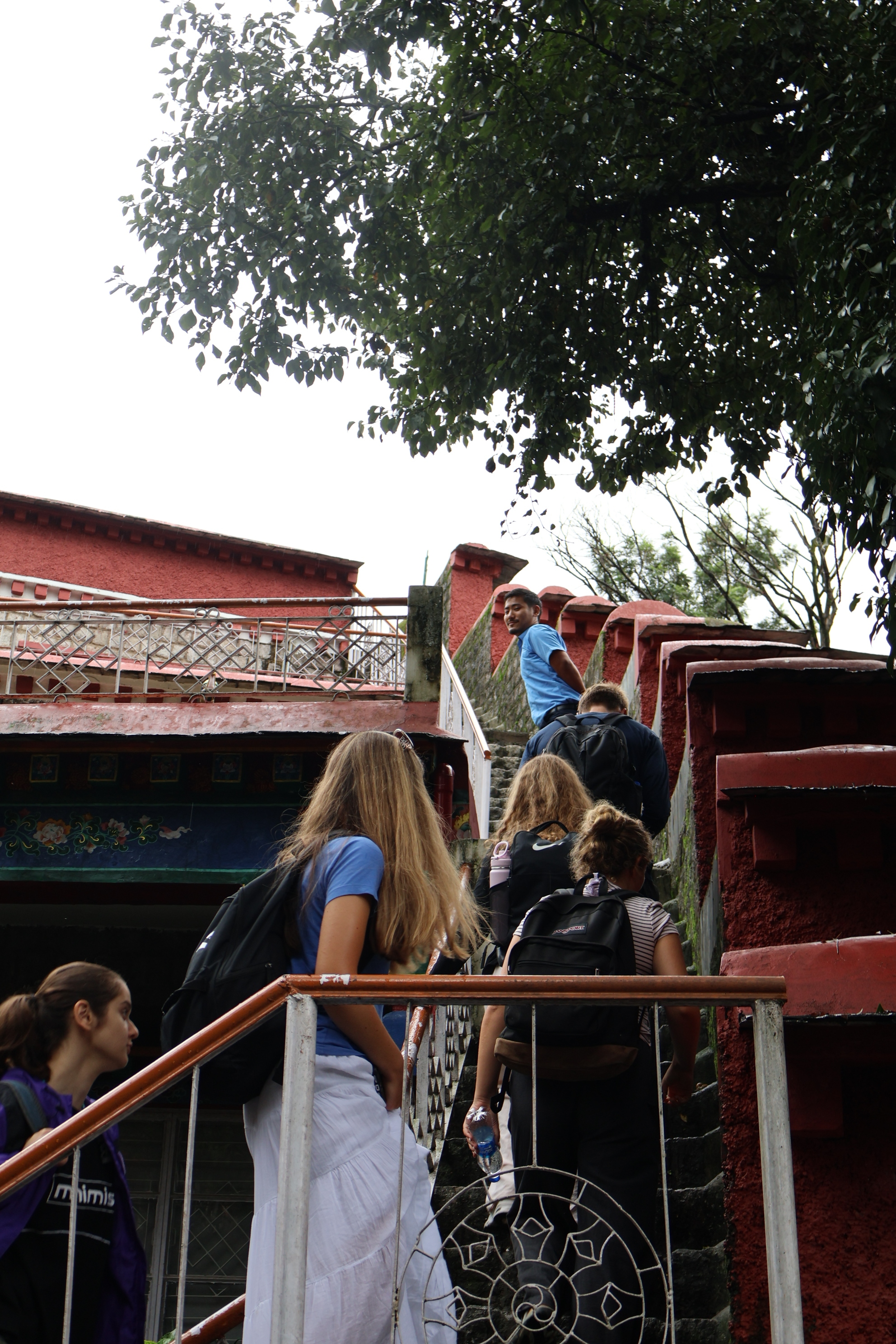
All this was multidisciplinary, too. One cannot begin to understand the importance of Hindu and Buddhist religions on societal norms within a vacuum. Religion impacts the history, which impacts the politics, which impacts the geography, which impacts the economy. This interconnectedness is not always easy to see when using a textbook, and this nuance is certainly not able to be captured with AI. We were able to see this, however, at each of the institutions we visited.
Crucially, trips like these teach us much about ourselves and each other. Pupils see teachers in a different light, and vice versa. I was able to learn about each of the pupils who came along - what makes them tick, their likes and dislikes, their personalities, in a way that would not be possible to experience within the classroom.
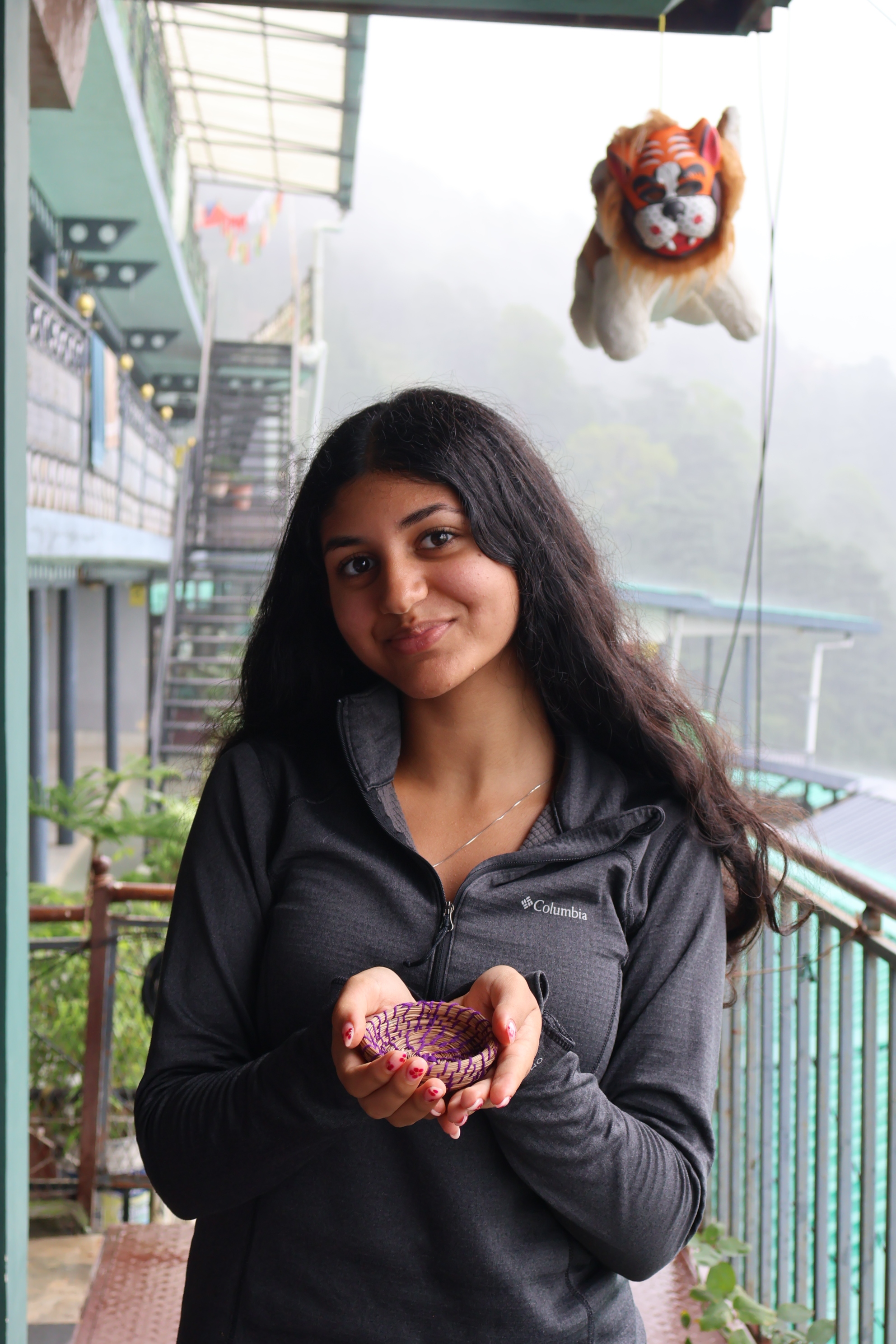
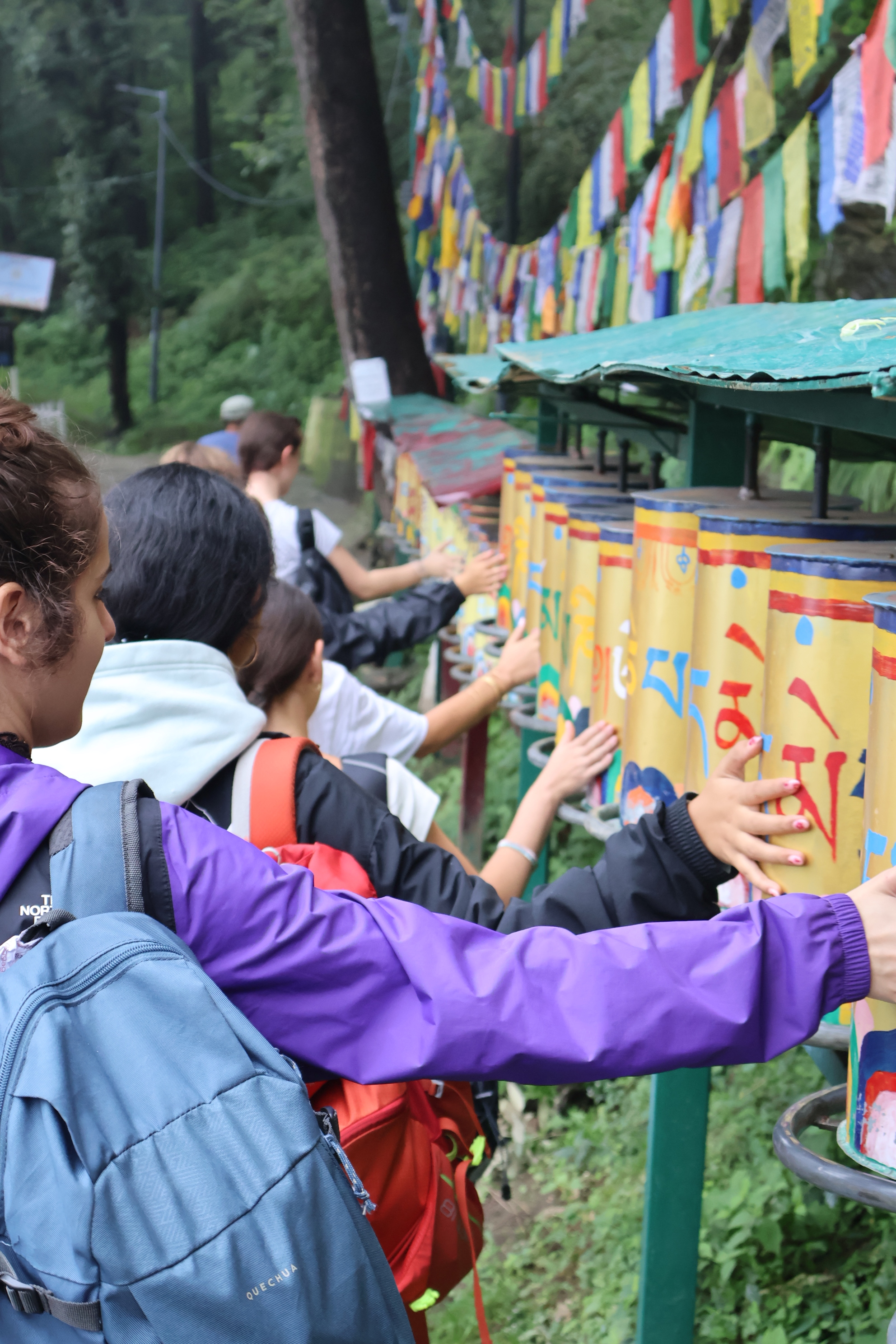
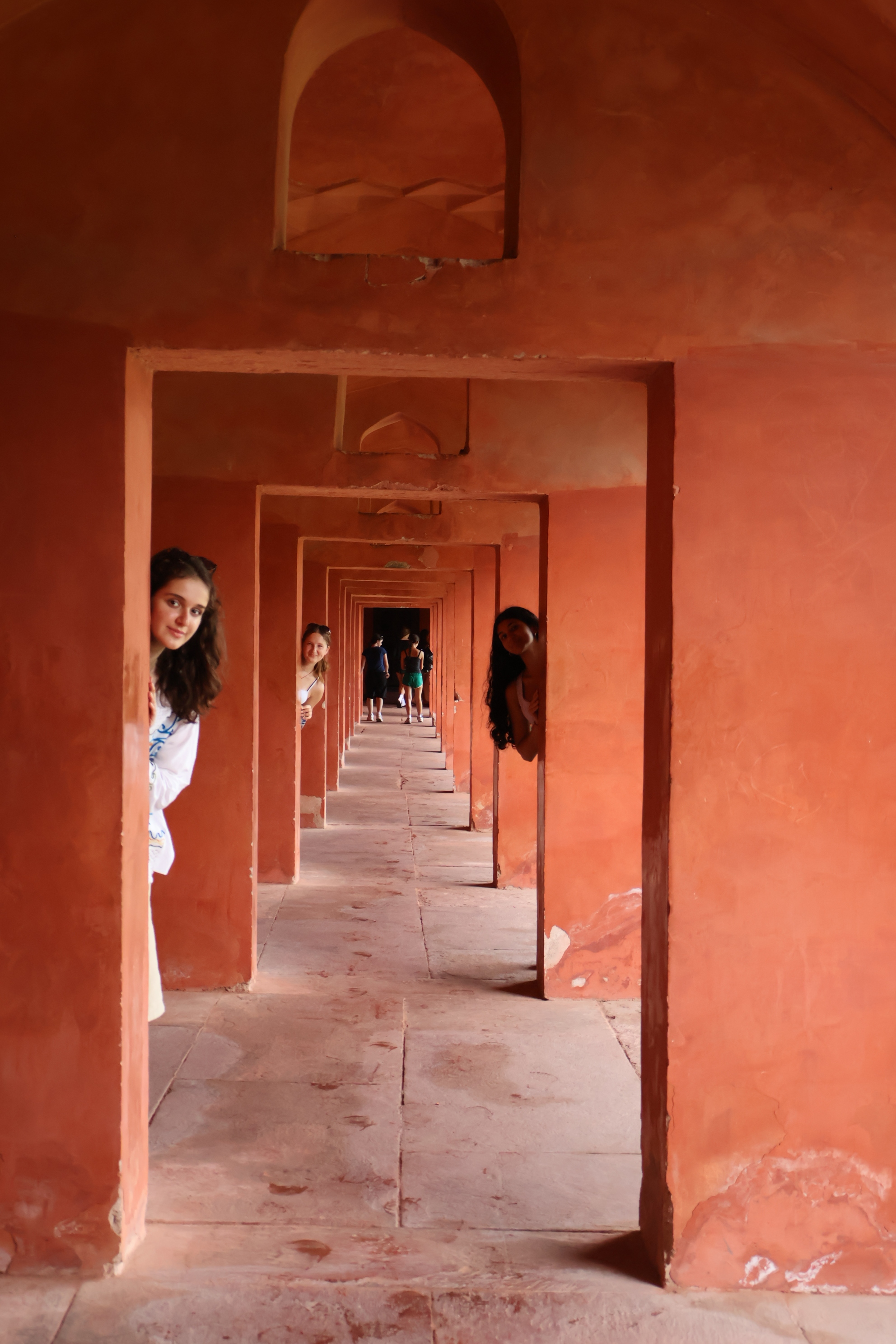
I was able to see how they remained resilient and tenacious in the face of discomfort and culture shock, and how they overcame these personal challenges. It was impressive - watching a sixteen-year-old who had a reputation for being incredibly polite within the College negotiating fiercely with a local vendor over his wares. She drove a hard bargain, and got her price in the end. This trip opened up those pupils who perhaps did not have the confidence to do so in the classroom, and they used their voices to ask questions - to Tibetan refugees, Buddhist nuns, local business owners, to their teachers.
I’m sure the pupils saw me in a different light, too. To hear me speaking in Hindi with the locals, struggling with the hike, dancing the bhangra (one pupil said ‘no one back home will ever believe this’ - and she’s right) are not things that they would normally see or hear. This is an experience we have shared as a team, and it is something I hope we carry with us for a very long time.
To travel is a privilege, and we must take it seriously. There is so much to learn from exploring the world, and I consider myself so lucky to have the opportunity to have explored a small part of it with my students.
Written by Suhail Dhanji - Head of Philsophy, Theology and Ethics at Queen's College, London
1 min read
For the past year, Queen’s has been the most supportive, kind and welcoming school. I have enjoyed every little thing about it: the community, the...

2 min read
At Queen’s College, London, continuing professional development (CPD) is designed as an ongoing journey rather than a fixed programme. In a recent...
2 min read
As part of TES Safeguarding Awareness Week 2026, Queen’s is reflecting on what proactive safeguarding looks like in practice across both the College...